
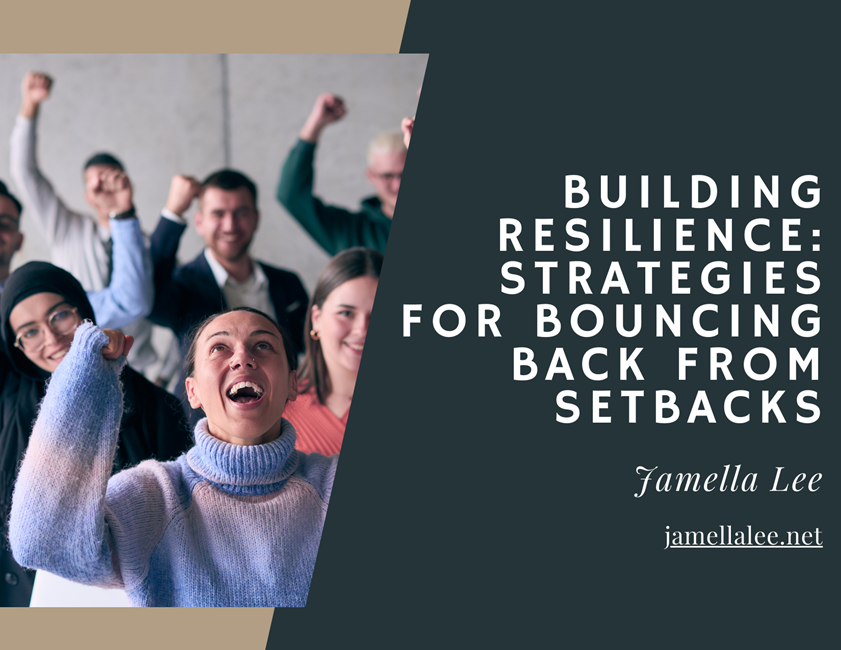
Resilience is the ability to bounce back from adversity, setbacks, and challenges. It’s an essential skill that enables individuals to navigate life’s ups and downs gracefully and with determination. Building resilience takes time and practice, but with the right strategies, anyone can strengthen their ability to bounce back from setbacks. Here are some strategies for building resilience:
Cultivate a Growth Mindset
Embrace a growth mindset, which believes that abilities and intelligence can be developed through dedication and hard work. Adopting a growth mindset allows you to view setbacks as opportunities for growth and learning rather than failures. Instead of dwelling on what went wrong, focus on what you can learn from the experience and how you can use it to become stronger and more resilient in the future.
Develop Coping Skills
Develop healthy coping skills to help you manage stress and navigate difficult situations. Practice relaxation techniques such as deep breathing, meditation, or yoga to calm your mind and reduce stress levels. Engage in activities that bring you joy and relaxation, whether it’s spending time in nature, pursuing hobbies, or connecting with loved ones. Developing coping skills can help you stay resilient in the face of adversity and maintain a positive outlook.
Build a Strong Support System
Surround yourself with supportive friends, family members, and mentors who can provide encouragement, guidance, and perspective during challenging times. Reach out to your support system when you’re feeling overwhelmed or struggling with setbacks. A robust support system can help you feel less isolated and more empowered to overcome obstacles and bounce back from setbacks.
Practice Self-Compassion
Be kind and compassionate toward yourself, especially during times of adversity. Treat yourself with the same kindness and understanding you would offer to a friend in a similar situation. Acknowledge your emotions and experiences without judgment, and practice self-care to nourish your body, mind, and spirit. Practicing self-compassion can help you cultivate resilience and bounce back from setbacks with greater ease and grace.
Set Realistic Goals
Set realistic and achievable goals that align with your values and aspirations. Break larger goals down into smaller, more manageable steps, and celebrate your progress along the way. Setting realistic goals helps you maintain motivation and momentum, even in the face of setbacks or obstacles. Focus on what you can control and take proactive steps toward achieving your goals, one step at a time.
Maintain Perspective
Maintain perspective during challenging times by recognizing that setbacks are temporary and part of life’s natural ebb and flow. Remind yourself of past successes and times when you’ve overcome adversity. Keep things in perspective by focusing on the bigger picture and the lessons you can learn from setbacks. Maintaining perspective can help you stay resilient and optimistic, even in the face of adversity.
Conclusion
Building resilience is a journey that requires practice, patience, and perseverance. By cultivating a growth mindset, developing coping skills, creating a strong support system, practicing self-compassion, setting realistic goals, and maintaining perspective, you can strengthen your ability to bounce back from setbacks and thrive in the face of adversity. Remember that resilience is not about avoiding challenges but about facing them head-on with courage, determination, and grace.